
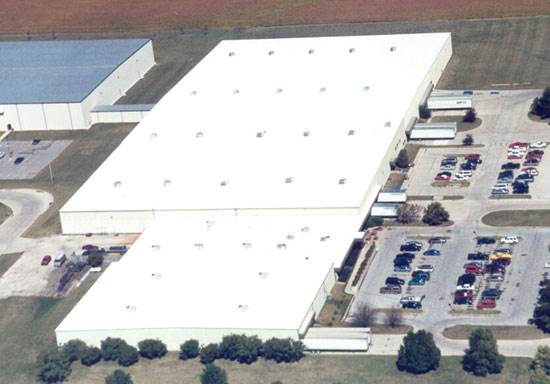
 Photo courtesy of ERSystems Inc., Rockford, Minn.
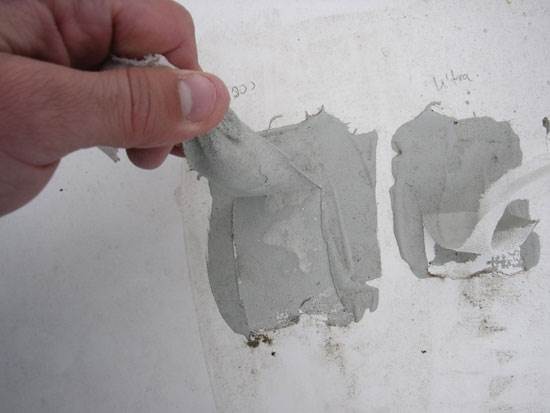 Photo courtesy of ERSystems Inc., Rockford, Minn.
 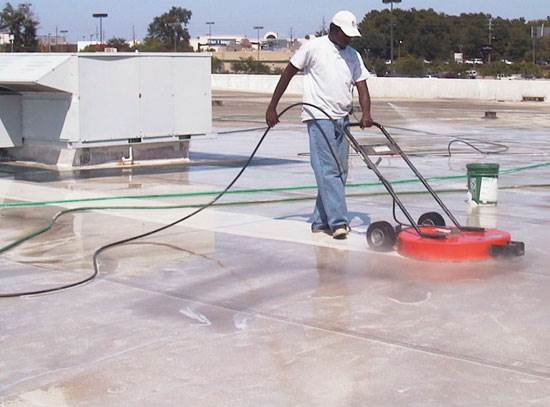 Photo courtesy of ERSystems Inc., Rockford, Minn.
 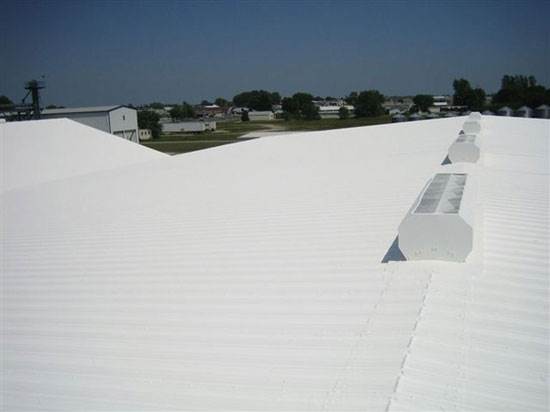 Photo courtesy of ERSystems Inc., Rockford, Minn.


Increasing costs of oil and greater sensitivity to environmental implications of construction practices is forcing the roofing industry to address some new realities. As a result, building energy cost savings from roofs and roof system durability have become important factors.
During the past several years, construction literature has explored how field-applied roof coatings relate to cool roofs and energy savings; roof system maintenance and sustainability; and other specific programs such as the Leadership in Energy and Environmental Design (LEED) Green Building Rating System,™ ENERGY STAR® and California's Title 24.
In many cases, the discussion is presented through issues, alternatives and options: What is a cool roof, and what is required of a field-applied coating to make it cool? How do field-applied roof coatings fit in the cool roof marketplace; what benefits do they provide; and what are their limitations? Do field-applied reflective roof coatings provide real value, and are they part of the solution to the energy and environmental issues that face the roofing industry?
Field-applied reflective roof coatings can offer benefits and potentials in the developing cool roof marketplace. Coatings also can extend the useful life of nearly every roof substrate by keeping a roof surface cool and providing a level of protection from the sun and weather. So what do you need to know to select the right coating for a specific purpose; be assured of achieving desired benefits; provide potential energy savings; and produce a positive environmental effect?
The basics
Let's examine some issues in more detail. Our discussion will be limited solely to nonasphaltic roof coatings, such as acrylic, polyurethane, silicone, PVDF (Kynar®) and polyurea.
By definition, a roof coating is a monolithic, fully adhered, single-layer film formed in situ on an existing roof membrane. Typical coating dry film thicknesses vary from paint film thickness (plus or minus 3 dry mils) to more than 40 dry mils. This means a coating actually becomes the top layer of a composite roof membrane and underlying system. As such, the coating is the topmost layer of protection for the membrane, receiving the impact of sunlight (both infrared and ultraviolet [UV]), rain, hail and physical damage.
Typical roof substrates that can benefit from coatings include uncoated and coated metal; asphalt built-up membranes; polymer-modified bitumen; single-ply membranes, including EPDM, PVC, TPO, CSPE (Hypalon®) and PIB; and spray polyurethane foam.
Roof systems can be maintained and restored with coatings. For example, the coating on a metal roof may erode during weathering and can be recoated using the appropriate maintenance coating. Even uncoated metal subject to galvanic corrosion can be coated with a corrosion-inhibiting coating to prolong roof system life. Built-up and polymer-modified bitumen roofs subject to surface degradation can be coated with coatings that can provide additional protection in the form of high film thickness over weathered and worn areas.
As single-ply roof systems weather—as indicated by chalking, crazing and checking—they, too, can be maintained with coatings. Such coatings would be specifically formulated to adhere to the membranes, tolerate the dynamics associated with the installation method and have weathering characteristics equal or superior to the membranes' chemistry.
A properly formulated coating is designed to reflect infrared and UV portions of sunlight, protecting an underlying membrane from the sun's damaging effects. When a coating is light in color, it also can provide a cooling effect to the roof surface. A cool roof surface reduces summertime air-conditioning demand and stress on the membrane caused by heat. The effects of thermal shock, which occurs when a roof is subjected to summertime heat followed by rapid cooling of an afternoon thundershower, will be reduced by a white coating application. Reducing a roof surface temperature also can extend the life of roof membrane materials.
In addition, coatings can be formulated to supplement limitations in the original roof substrate. For example, corrosion-resistant pigments can be added to metal roof coatings and plasticizer-migration inhibitors can be added to coatings to reduce plasticizer loss from externally plasticized single-ply membranes. Additional features can be built into coatings to enhance a roof system's fire-resistance rating and increase mildew and algae protection.
When to coat
The appropriate time to coat a roof is while it still is possible for a coating to be most effective. Applying a coating early in a roof system's life can help extend the performances of the desired properties originally built into the roof surface.
However, not all aged roofs are suitable for coating. If a metal roof is badly rusted in key areas or a roof membrane has failed at the seams, allowing significant water to be entrapped below the membrane, the prudent decision would be to tear off that section and replace it with new material before restoring the roof surface with field-applied coating. If a reinforcing mat or scrim in a single-ply membrane has deteriorated substantially because of excessive weathering or physical abuse, an unreinforced coating cannot be expected to have the tensile strength required to maintain the roof membrane's integrity.
Similarly, if a glass mat or polyester mat of a conventional built-up or polymer-modified bitumen membrane roof system has deteriorated significantly, the roof may not be suitable for coating. Modern coatings without scrim reinforcement are not capable of providing the tensile strength typically provided by glass mats and polyester mats. However, if an existing roof membrane is mechanically and structurally viable and the roof system is dry, the roof would be considered a suitable candidate for coating and restoration.
Selecting a coating
When selecting a coating, adhesion is the key property to consider. If a coating will not adhere to a roof substrate, none of the other properties matter and potential benefits of the coating will not be realized.
Adhesion is best described as an interfacial property; that is, the quality of adhesion is defined as much by the coating or adhesive as it is by the roof substrate. Adhesion primarily depends on the chemistry of the coating and the substrate at that interfacial boundary. Dirt or any other foreign substance will interfere with the coating-substrate interaction.
For example, think about applying an epoxy adhesive to a Teflon® frying pan. Chances are the adhesive will not adhere well. This it is not because the adhesive is not "good" but because the chemistry of the substrate and chemistry of the adhesive (coating) are not suitable for or compatible with one another.
The same idea applies to roofs. Roof surfaces that initially are coated with silicone will require a silicone-compatible recoat. Likewise, fluoropolymer coatings, such as Kynar 500 on metal, require coatings composed of the Kynar resin or containing adhesion promoter chemistry to provide consistent adhesion.
Keep in mind factory-applied release agents, such as talc on EPDM and sand on polymer-modified bitumen, can interfere with adhesion. A coating may adhere to the talc or sand, but if the release agents are not embedded into the membrane, the coating may come loose with the talc or sand on the underside of the coating.
Adhesion of a coating to a roof substrate improves as the coating dries or cures (chemically reacts with moisture from the air). Depending on a coating's chemistry, its cure time, dry time and skin time may be different. Some coatings, such as urethanes and silicones, not only must dry but also cure to achieve complete property development. Factors such as substrate temperature, air temperature and relative humidity will affect drying time and ultimate cure. Some coating manufacturers offer winter and summer "speed" coatings designed to skin and cure at appropriate rates based on weather conditions.
Because coating adhesion is the key to a successful application, we recommend you always conduct a field adhesion test. We suggest a method similar to ASTM C794, "Standard Test Method for Adhesion-in-Peel of Elastomeric Joint Sealants."
To use this method, brush a roof coating on a prepared roof surface and while the coating is wet, embed about 6 inches of a 1- by 12-inch cloth strip into the coating. Allow this to dry for a minimum of three days to four days (the longer the better). Then, attach a small fish scale (available at sporting goods stores) to the free end of the cloth strip and carefully cut the 1-inch-wide sides of the strip, being careful not to cut into the underlying roof membrane substrate. Pull slowly on the fish scale, pulling the cloth strip away from the roof substrate. Read the weight (force) required as the cloth strip is pulled away.
ASTM International indicates 2 pounds to 4 pounds of pull is a satisfactory result. If some coating remains on the roof membrane as the strip is pulled, it indicates an even stronger cohesive failure (the coating is pulled apart) rather than adhesive failure of the coating to the substrate.
If wet adhesion properties are to be measured, follow the same procedure and after the test sample with fabric is fully cured, adhere a 2-inch sheet-metal cylinder with a 12-inch diameter to the roof substrate using caulk. Fill the cylinder with water and wait one week before conducting the pull test. Wet adhesion of a fully cured acrylic sample typically is half of dry adhesion values.
Maximize adhesion
As mentioned earlier, dirt and other foreign substances can interfere with a coating's adhesion. For proper adhesion, a roof substrate must be cleaned and prepared satisfactorily. Before performing the adhesion test, clean the roof surface to reflect the cleaning process that will be used across the entire field of the roof.
Most roof surfaces are best cleaned by power washing at a pressure that considers the substrate conditions and properties. Heavily soiled surfaces may require a cleaner to be used to achieve satisfactory results. Cleaners may be biodegradable nonphosphate detergents for heavy dirt; phosphate cleaners may be required for certain oils and grease. Be sure to dilute acid cleaners for heavy rust on steel and bleach solution for heavy mildew/algae deposits.
After cleaning a roof surface, rinse it well to remove loose dirt, and if any cleaners are used, use copious amounts of water to remove all potential cleaner residue. Also, consider the potential environmental issues (no phosphates) with cleaners, and collect runoff residue whenever possible and if environmental regulations so require.
To determine whether a roof has been cleaned satisfactorily, consider using this easy method: Once a roof has been cleaned and dried, press a 3- to 4-inch-long piece of 2-inch masking tape to the roof using hand pressure. Then, peel the tape off. If it comes off easily and/or is laden with dirt, degraded roofing material and other particulates, the roof is not cleaned satisfactorily. Reclean and dry the roof, and repeat the test. The test should be conducted in several areas around the roof, especially in ponded or other dirty areas.
If satisfactory adhesion of the coating to a clean roof surface cannot be achieved, consider using a primer to improve adhesion. But remember, a primer is not a replacement for thorough cleaning. A primer is designed to adhere to a structurally sound (dirt-free) substrate and provide a better surface to which the coating can adhere.
Applying the coating
It is important to follow roof coating manufacturers' directions and cautions when applying any roof coating. Typically, a manufacturer's product data sheet will list the appropriate substrate and recommended film thickness for a particular coating on any specific roof substrate.
Reflective roof coatings typically will be applied by power spray or roller or combinations of spray and roll as determined by the coating's thixotropy (resistance to sag and run) and roof's surface texture and porosity. A highly thixotropic base coat applied to a rough roof surface may have to be rolled to force the coating into the low spots and maximize coating contact with the roof surface. The reflective finish coat then typically is sprayed, often in two passes, to provide the most uniform film thickness possible.
Energy savings
It has become widely accepted in the roofing industry that field-applied white reflective coatings can lower roof surface temperature and provide energy savings while reducing maintenance costs and extending the life of the original roof surface.
Actual energy savings from a coating application depends on a myriad of factors, including difference in solar reflectance and emittance from original roof substrate to the coated surface; climate (tropical to arctic and rainfall levels); microclimate (dirt, surface contaminants, etc.); roof insulation levels; cooling and heating system placement and efficiency; and quality of the coating application. Many of these factors have been considered in the development of energy calculators that may be used to estimate savings and return on investment for a variety of energy-saving procedures, including application of a white reflective coating.
Keep in mind every roof will collect dirt, and white coatings with high initial solar reflectances will demonstrate a loss in solar reflectance over time because of dirt pickup. Studies conducted by Lawrence Berkeley National Laboratory, Berkeley, Calif., and proven in field studies have shown solar reflectance may drop to about 80 percent of its original value from an initial solar reflectance of 80 percent to 85 percent to an aged solar reflectance of 60 percent to 65 percent. Of course, this depends on the microclimate and how dirty a given locale is. But a dirty white roof with 60 percent to 65 percent solar reflectance will be dramatically cooler than a dark roof with 5 percent to 35 percent solar reflectance.
Questions also arise about whether a white roof coating or additional insulation may be preferred to maximize energy savings. Both are of value, and you always should insulate to meet local applicable building codes, at a minimum.
ASHRAE 90.1, "Energy Efficient Design of New Buildings Except Low-Rise Residential," institutionalized the trade-off concept between white roofs and insulation. This should not be considered an "either/or" issue. Cool roof coatings may increase effectiveness of the insulation board and roof system by lowering the temperatures of the roof surface. A white roof surface has been shown to increase the efficiency of roof-mounted heating, ventilating and air-conditioning equipment, which is independent of insulation levels in the roof system.
Economic value of highly reflective cool roofs has been questioned for cool northern climates. Roofs in northern climates are required by code to be well-insulated. Summertime electrical energy-saving benefits of a cool roof must be compared with the potential heating penalty for a cool roof in the winter. Each roof must be considered individually; however, the energy-saving return on cool roofs clearly is greater as climate becomes more moderate.
Something to consider
Roof coatings have proved to be a useful tool in maintaining and sustaining roof systems. Current elastomeric coatings not only can protect underlying roof membranes but also can provide energy savings through solar reflectivity.
You and your clients can incorporate the information provided in this article to make prudent, cost-effective roof coating decisions. Improved understanding of a roof's physical and dynamic requirements will ensure a successful coating selection and installation. Simply stated: Selecting the right reflective roof coating for a properly prepared roof surface for the purpose of saving energy and extending roof life is a good investment and a formula for success.
Bill Kirn is technical director and key accounts manager of National Coatings Corp., Camarillo, Calif. He is president-elect of the Reflective Roof Coatings Institute (RRCI). Jim Leonard is president of RRCI and chairman and founder of ERSystems Inc. and Prairie Technologies Inc., Rockford, Minn.


COMMENTS
Be the first to comment. Please log in to leave a comment.