
 Photo courtesy of Benchmark Services Inc., Louisville, Ky.
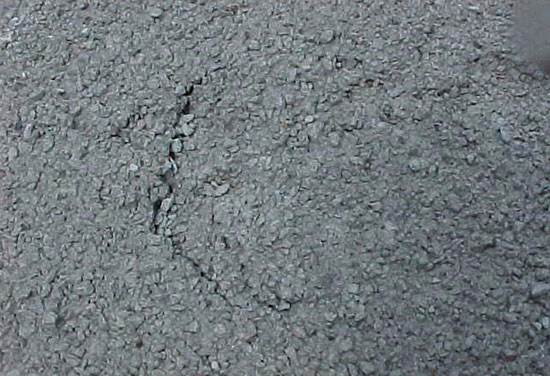 Photo courtesy of Benchmark Services Inc., Louisville, Ky.
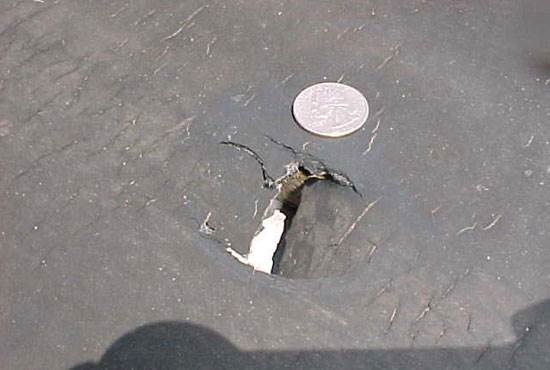 Photo courtesy of Benchmark Services Inc., Louisville, Ky.
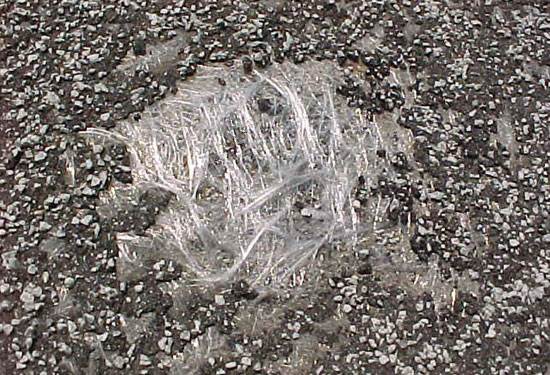 Photo courtesy of Benchmark Services Inc., Louisville, Ky.
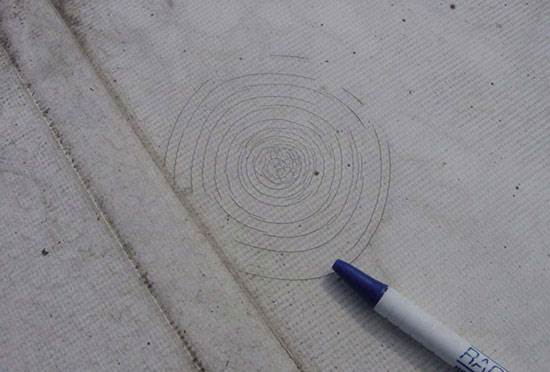 Photo courtesy of Benchmark Services Inc., Louisville, Ky.
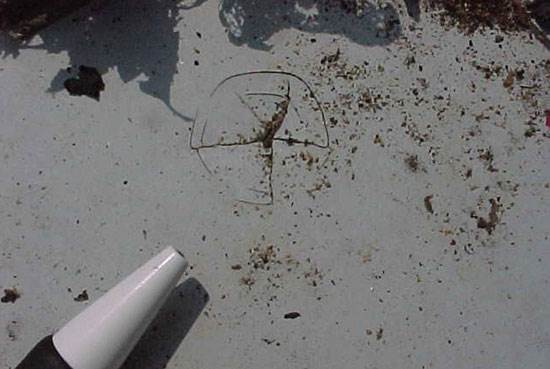 Photo courtesy of Benchmark Services Inc., Louisville, Ky.
 Photo courtesy of Benchmark Services Inc., Louisville, Ky.
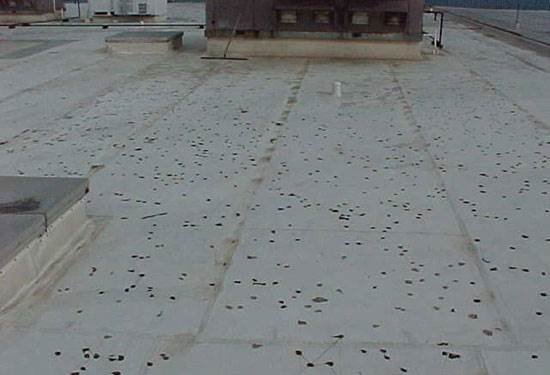 Photo courtesy of Benchmark Services Inc., Louisville, Ky.
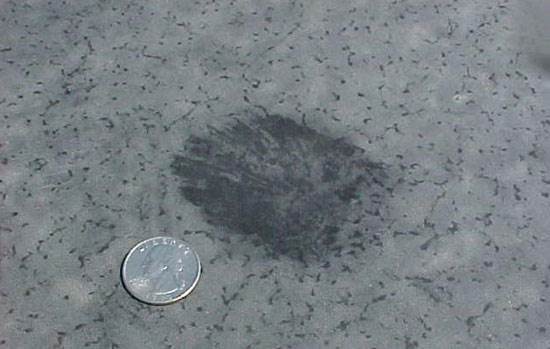 Photo courtesy of Benchmark Services Inc., Louisville, Ky.


Hail damage ranks among the most serious and challenging threats to roof system performance. Failure of a roof membrane caused by hail can result in flooding and damage to a building's inventory and equipment. This makes protecting against hail damage one of the ultimate tests of any roof system.
Although hailstorms generally are seen as a regional and seasonal problem, the Hail Belt area of the U.S. appears to be getting larger, according to research from the National Oceanic and Atmospheric Administration's (NOAA's) National Severe Storms Laboratory. Areas of the U.S. that were not particularly vulnerable to hailstorms now are receiving hail, and areas that regularly received hailstorms are seeing more storms with larger hail.
Sections of the Midwest and East are particularly prone to receiving hailstones greater than 3/4 of an inch in diameter. This size generally is considered the minimum threshold for property damage by industry professionals and government entities such as the National Severe Storms Laboratory. This makes roof protection against hail damage a greater priority. Given escalating material and construction costs, building owners and managers will face higher costs for any repairs or replacements necessitated by hail damage, not to mention the ramifications of water damage to equipment, inventory or documents.
Using information obtained during numerous site studies, I have been able to review the performances of several roof systems with regard to protection against hail damage. Although it is clear these materials perform in a more than acceptable fashion in most circumstances, they sometimes struggle to maintain their protective qualities when facing significant hail fall.
Built-up roofs
Regardless of whether a built-up roof (BUR) system is coal-tar pitch or asphalt, gravel-surfaced BUR systems are somewhat less likely to be hail-damaged than smooth-surfaced BUR systems because gravel disperses hail's impact energy.
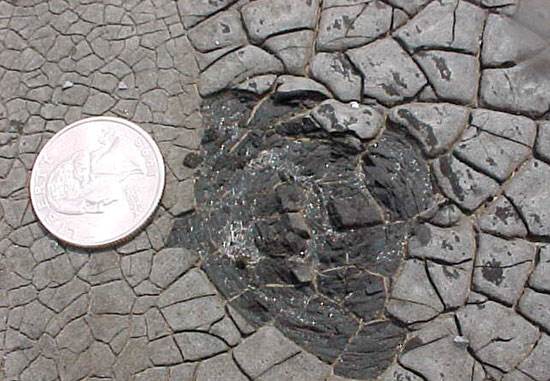
But when damage occurs, it can be more difficult to pinpoint. When a BUR system is damaged by hail, the asphalt or pitch is displaced or cracked at the surface and the fiberglass felt may fracture, allowing water infiltration and the beginnings of premature roof system deterioration.
Water infiltration into the insulation may spread and what begins as a small puncture may become a large repair. Multiple hail blemishes may require tear-off and reroofing as the only practical remedy. Photo 1 shows a fracture on a smooth-surfaced asphalt BUR system caused by hail.
SPF
Spray polyurethane foam (SPF) roof systems are popular in some areas where hailstorms are becoming more frequent. Although the foam in these roof systems is closed-cell and may not leak immediately after hail damage, the required repairs to this type of roof system can be costly and fractures can be particularly difficult to find on some of the newer granule-surfaced systems.
However, hail damage on SPF roof systems can be repaired unless the number of hail fractures is large, which then may require tear-off and reroofing or at least scarifying of the surface and recoating. Photo 2 reveals a fracture of SPF coating caused by hail about 1 1/2 inches in diameter.
Modified bitumen
Modified bitumen roof systems provide good service when applied correctly in the appropriate situation. In addition, modified bitumen roof systems typically are more hail-resistant than smooth-surfaced BUR systems, but other factors come into play. For example, an APP membrane is modified with plastic and, as a result, is less flexible than rubber. This makes it somewhat vulnerable to fracture by hail. SBS membranes are modified with a type of rubber that is vulnerable to ultraviolet degradation. Because of this, SBS-modified bitumen membranes are protected by a granule surface, which may be displaced by hail.
Even though a membrane may not fracture, it would require replacement or repair because of the granule displacement. Both APP- and SBS-modified membrane systems can be damaged by hail because they are asphaltic products. Photos 3 and 4 show an unsupported area on a smooth-surfaced APP-modified bitumen membrane and SBS-modified bitumen granule-surfaced membrane, respectively. Both were damaged by hail about 1 1/2 inches in diameter.
PVC
PVC roof membranes have become more popular during the past 25 years, and each PVC membrane manufacturer has its own slightly different recipe for its PVC product. There are differences in the added ingredients used in various PVC membranes, particularly the plasticizers.
Because PVC is rigid in its natural state, the process of making it into a flexible single-ply roof membrane requires the addition of plasticizer chemicals. Some manufacturers use liquid; others use solid plasticizers.
The type of plasticizer used can make a great difference in whether a membrane becomes brittle as it ages and, as a result, more vulnerable to hail damage. A PVC membrane is typically reinforced with a polyester fabric, but some of the older types are not. Photos 5 and 6 show PVC roofs that have been hit by 3/4 - to 1 1/2-inch-diameter hail. The first is reinforced, and the second is not. The circular fractures eventually transfer through the membrane and develop into leaks.
Photos 7 and 8 show a PVC roof about three years after a hailstorm. Repeated repairs were done with various types of surface caulking until the owner finally realized it would not be possible to seal all the hail fractures that continued to open and leak.
EPDM
EPDM roof systems can be installed in any of three basic methods. The least expensive is to simply lay the membrane loose over the insulation substrate and cover it with rock ballast to prevent blow-off.
The second method is to mechanically attach the membrane at intervals on the roof and cover the attachment fasteners with EPDM cover-strip material or overlapping seams. The third method is to fully adhere the membrane to the substrate.
A ballasted system may perform somewhat better during a hailstorm because the rock ballast absorbs the energy of the hail. But in general, performance of EPDM against hail damage is consistent regardless of installation method.
EPDM membranes are available in 45-, 60- and 90-mil thicknesses. The 90-mil membrane offers higher resistance against damage from hail or other punctures.
Ice balls have been used to simulate hail impact on roof system test decks. The tests show ultimate failure of the thinner 45-mil membrane when hit by a 3-inch-diameter ice ball at 133.2 feet per second, or more than 90 miles per hour.
Photo 9 shows an EPDM roof system that has been hit by hail as large as 2 1/2 inches in diameter with no resulting membrane damage and, therefore, no leaks.
Know your options
Because NOAA forecasts indicate we are entering a cycle with more frequent incidents of severe weather, this will increase the importance of effectively protecting buildings and the contents within them from the effects of a catastrophic roof failure.
When choosing a roof system, in addition to the immediate hail-protection performance of a roofing material, consider its ability to sustain that performance during the roof system's life. This includes effective installation, maintenance and inspection methods to ensure continued effective roof system performance.
Ric Vitiello is president of Benchmark Services Inc., a forensic roof consulting company based in Louisville, Ky., that specializes exclusively in roof failure analysis and hail damage assessment training.


COMMENTS
Be the first to comment. Please log in to leave a comment.