Articles
-
-
Look around
Setting aside electronic devices removes distractions and allows stronger connections to form during conversations with industry professionals.
-
News + Views
-
Moisture in concrete roof decks
NRCA presents recommendations following reports of moisture-related problems associated with concrete roof decks.
-
Research + Tech
-
Hitting the brakes
A new electronic logging data final rule may adversely affect truck deliveries.
-
Rules + Regs
-
Picking PV
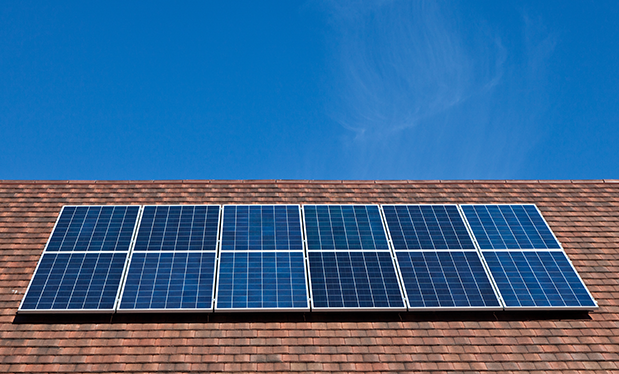
Rooftop-mounted photovoltaic (PV) system installations are increasingly popular in the U.S. Mounting PV systems on rooftops instead of on the ground secures the technology from passersby and preserves buildings' aesthetics. However, to minimize the risk of leakage or reduced roof system performance, a roof system's function, design and performance must be considered before a rooftop-mounted PV system is installed.
-

Setting the standard
Many commercial roof system designers use ASHRAE 90.1, "Energy Standard for Buildings Except Low-Rise Residential Buildings," to demonstrate compliance with applicable energy-efficiency requirements. The most recent version, ASHRAE 90.1-2016, provides updates that include climate zone data that affect required R-values and air leakage and skylight provisions.