Capitol Hill
NRCA helped persuade Congress to repeal two regulations harmful to the roofing industry.
NRCA helped persuade Congress to repeal two regulations harmful to the roofing industry.
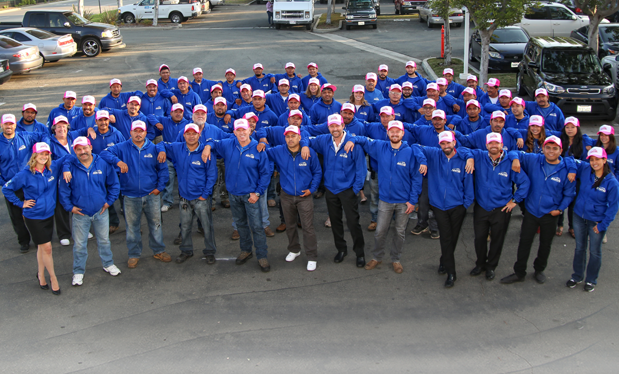
At Antis Roofing & Waterproofing, Irvine, Calif., Narciso Alarcon, field operations manager/superintendent, stands out as a kind leader with a reputation for treating his co-workers with honesty and fairness. In March, Alarcon's outstanding leadership abilities and dedication to Antis Roofing & Waterproofing were recognized with Professional Roofing's Best of the Best Award.

A record-breaking crowd attended NRCA's 130th Annual Convention and the 2017 International Roofing Expo® Feb. 27-March 3 in Las Vegas. More than 11,200 people from all 50 states and 70 countries networked with peers, learned about the latest industry advancements and participated in community service and fundraising events during the week.
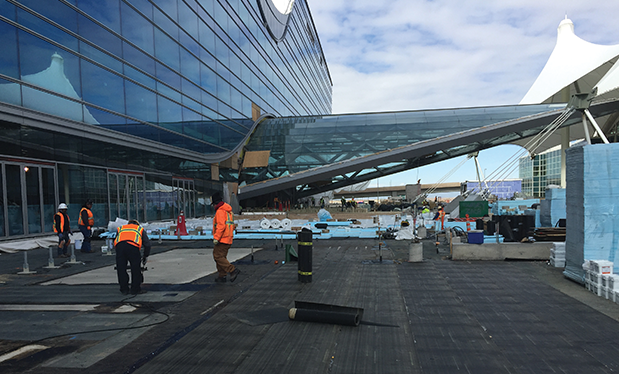
In 2014, Black Roofing, Boulder, Colo., undertook a massive project to help build Denver International Airport's south terminal. During the two-year project, Black Roofing workers overcame harsh weather conditions and numerous safety challenges to successfully install waterproofing systems on the airport's new Westin hotel and Public Transit Center.

The American Institute of Architects' most recent standard construction contract documents give more prominence to insurance and provide more detail regarding insurance coverages. The updated information helps ensure parties give more consideration to insurance at the outset of a construction project and policies do not exclude coverages that might be limited by exclusions in some insurers' policies.

As the number of mobile apps available continues to grow, the roofing industry can benefit from integrating relevant app use into daily operations. Roofing contractors who already have integrated apps into their companies share which weather-tracking apps, travel apps, on-the-job apps, and management and communication apps they find most useful.