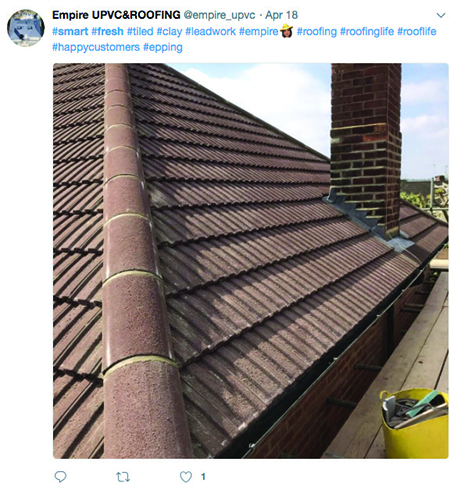
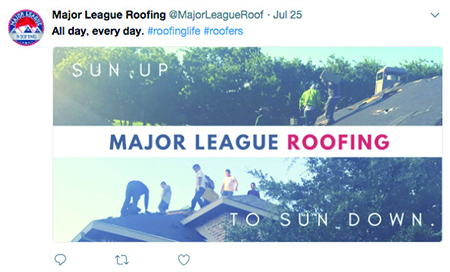
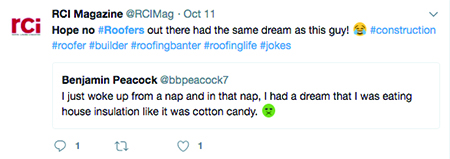
#ROOFINGLIFE
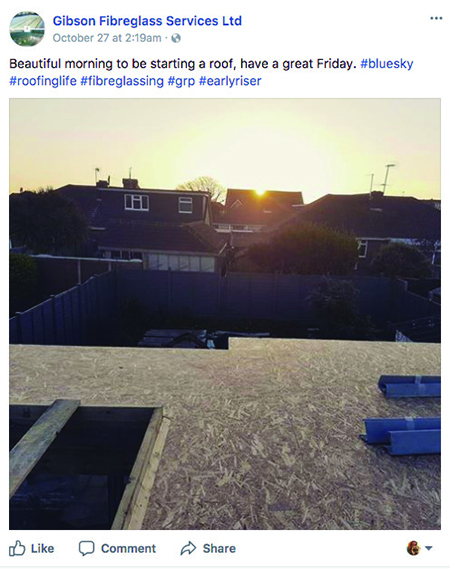
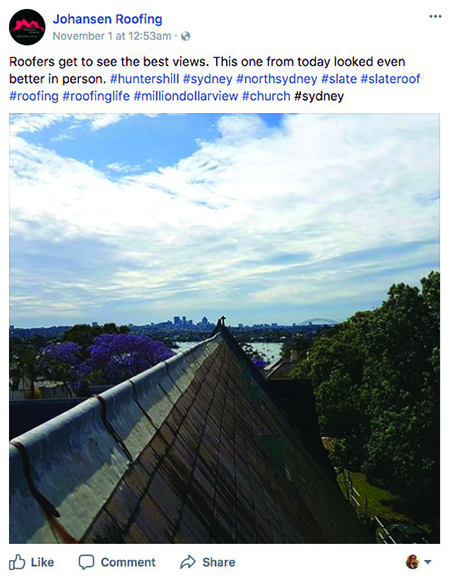
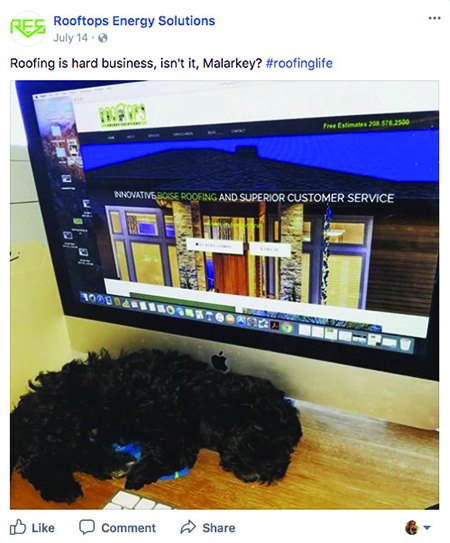
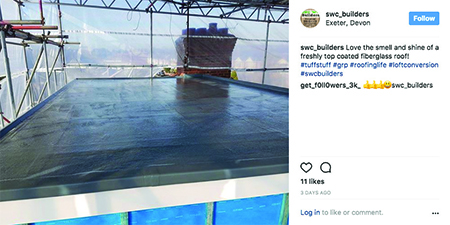
The holidays are here, and the year is quickly coming to an end. As we say goodbye to 2017, Professional Roofing looks back at a year in the #RoofingLife.

|
|
|
|
|

|
|
|
|
|

|
|
|
|
|
#ROOFINGLIFE
The holidays are here, and the year is quickly coming to an end. As we say goodbye to 2017, Professional Roofing looks back at a year in the #RoofingLife.
|
|
|
|
|
|
|
|
|
|
|
|
|
|
|
|
|
|
|
|
|
|
|
|
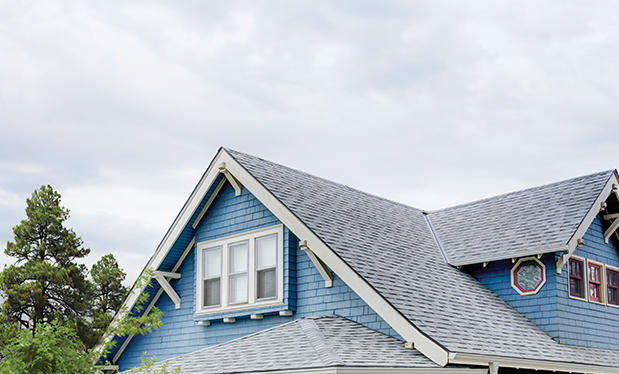
Made from recycled waste plastics, new synthetic additives in some asphalt and adhesive roofing products can improve roof system performance and benefit the environment. Products with the synthetic additives were tested, and results indicate the products hold their shape better, are more resilient and have higher force ductility values, as well as help decrease the amount of material sent to landfills.
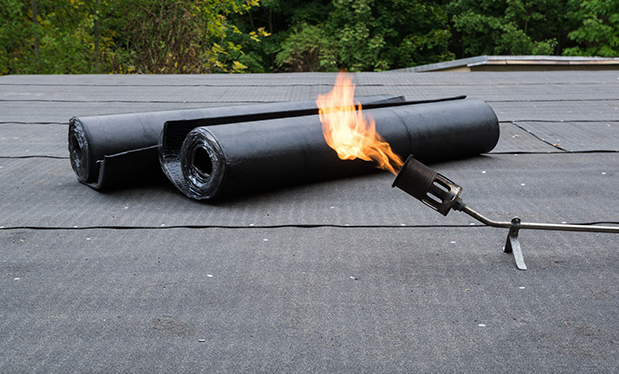
For more than a decade, NRCA and the Midwest Roofing Contractors Association have worked together to improve roofing torch safety through the Certified Roofing Torch Applicator (CERTA) program. The CERTA program teaches roofing workers how to safely use roof torching equipment, proper roof system design, material selection and construction details to help reduce the number of roofing torch-related fires.

The International Code Council has published revised editions of its model codes, and many contain changes that affect roof assemblies. Roofing contractors should familiarize themselves with changes to the International Building Code,<sup>®</sup> International Energy Conservation Code,<sup>®</sup> International Fire Code<sup>®</sup> and International Plumbing Code<sup>®</sup> before local, county and state governments begin adopting the updated codes in 2018.