
Combatting AI cyberattacks
Cybercriminals are using artificial intelligence to find software weaknesses and cause damage. The U.S. Chamber of Commerce’s Chief Technology Officer Bill Jewell says basic security best practices are crucial, and AI tools can be used for good.
The U.S. Chamber of Commerce shares the following strategies that can help small businesses build stronger defenses.
- Prioritize patch management and testing. AI can identify and exploit vulnerabilities soon after they are discovered, so businesses must be timely with software updates and have regular security testing.
- Evaluate vendors and third-party software carefully. Both vendors and third-party software can introduce cybersecurity risks. Before signing a contract, ask providers about their patching practices, incident response procedures and support for tools such as multifactor authentication.
- Reduce your attack surface. An “attack surface” is every possible access point cybercriminals can target, such as systems, devices, accounts and applications. Be sure to regularly review and remove unused software.
- Use AI-powered security tools to scan your own code. Companies that develop software can use AI-powered scanning tools to find vulnerabilities during the development process. And, AI-driven cybersecurity platforms can help monitor networks, find suspicious activity and respond to threats faster.
- Have an incident response plan before you need one. An incident response plan should identify whom to contact during an incident, how to isolate affected systems, how to restore backups and communicate with employees, customers and other stakeholders.
DOE analysis finds 2024 IECC could increase costs

The Department of Energy released its finding that nationwide adoption of the 2024 International Energy Conservation Code® could increase residential construction costs by more than $9.2 billion annually compared with 2006 code levels, adding more than $127 billion in costs nationwide, according to the agency’s website.
DOE says if states choose to update their energy codes to the 2024 IECC, construction costs for a typical single-family home could increase by up to $14,000. According to the DOE, in most states the estimated payback period for energy savings exceeds 10 years, with some exceeding 20 years.
DOE sent a letter to the International Code Council® urging it to emphasize affordability, transparency and fuel-neutral energy efficiency during future code revisions. DOE also recommended removing requirements for on-site energy generation, electric vehicle infrastructure and greenhouse gas avoidance that “increase construction costs, lengthen payback periods and reduce consumer choice.”
Ladder group conducts ladder safety and citations report
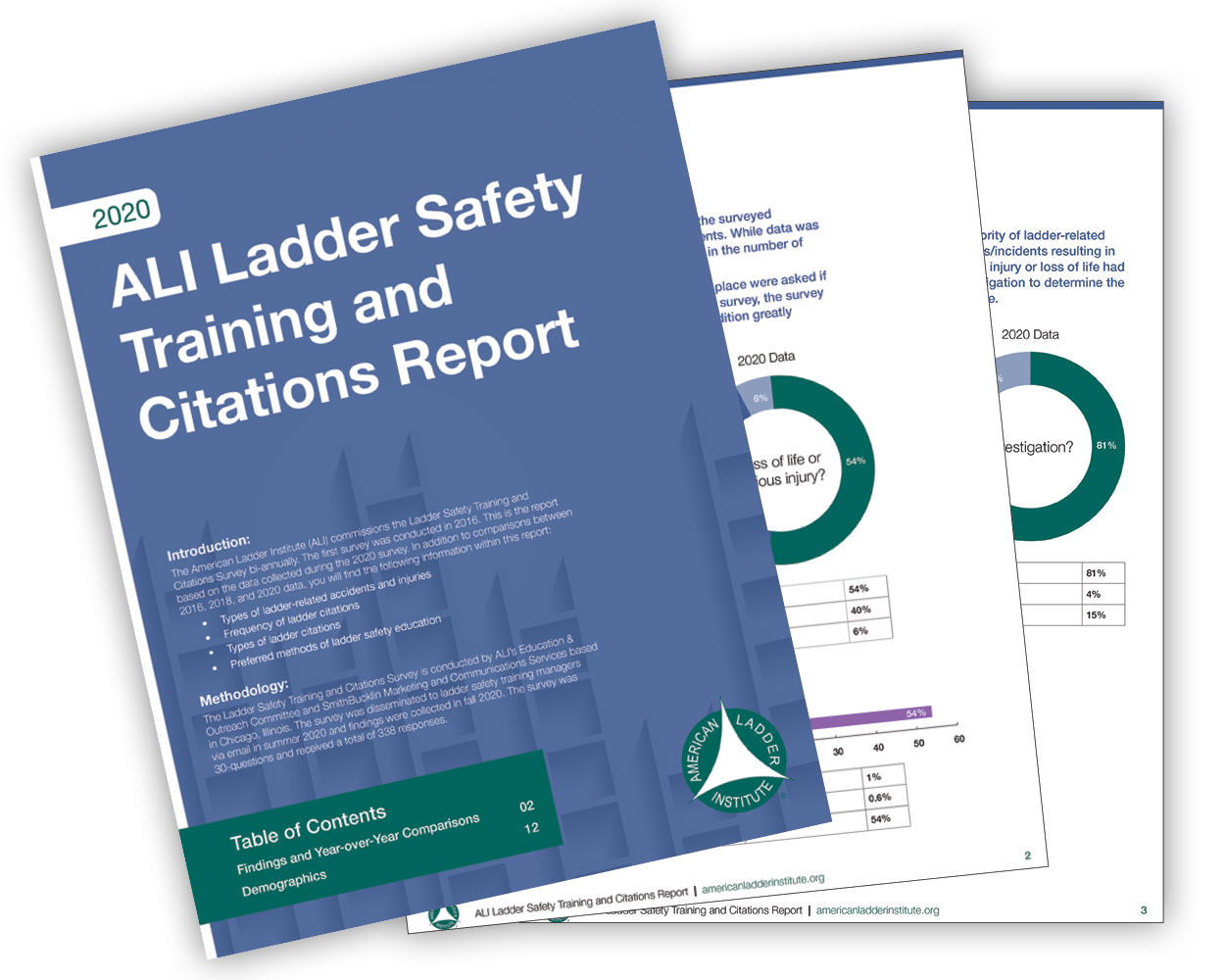
The American Ladder Institute has released its Ladder Safety Training and Citations Report, comparing results from 2016, 2018, 2020 and 2026. The survey was conducted by ALI’s Education & Outreach Committee and Thomas Associates Inc., Cleveland, and was given to ladder safety training managers and professionals throughout the U.S.
The data shows fewer than 25% of surveyed organizations experience ladder-related accidents/incidents. Respondents who stated an accident occurred were asked whether those accidents resulted in serious injury/loss of life to which 35% replied yes. This is a 2% increase from the 2024 survey.
Sixteen percent of respondents said they were unaware ladder misuse consistently ranks among the Occupational Safety and Health Administration’s top 10 most frequently cited violations during the past five years. Eight out of 10 respondents stated they have not received any ladder-related citations or violations from OSHA during the past 12 months.
The top two reasons stated for the belief that ladder safety training did not reduce OSHA citations during the past year are human error (42%) and insufficient oversight at the job site (33%). The top two identified reasons for the cause of ladder-related incidents are overreaching (35%) and failure to maintain three points of contact (35%).
Twelve percent of respondents stated they do not use any kind of ladder safety training, and about 21% say they are not required to renew ladder safety training at least once per year, with 20% reporting ladder safety training is not mandated by their organization. Forty-seven percent of respondents reported they believe ladder-safety training could prevent related incidents.
To view the full report, visit americanladderinstitute.org.