Residential roofing contractors are facing a moment when the industry’s long-standing hazards intersect with new pressures that are reshaping what it means to operate safely and sustainably.
The Occupational Safety and Health Administration already classifies construction work as a “high hazard industry.” According to the Bureau of Labor Statistics, there were 5,070 fatal work injuries across all construction sectors in 2024, with falls, slips and trips accounting for 844 deaths; roofing workers experience a higher rate of these incidents than many other construction trades.
In 2023, roofing companies accounted for 26% of fatalities (110 deaths) caused by falls, slips and trips. Residential building construction accounted for another 14.7% (62 deaths).
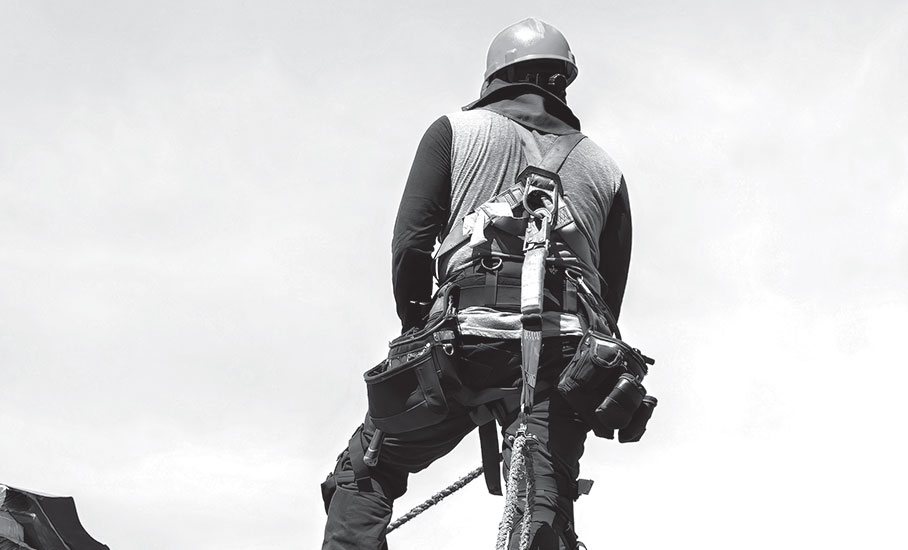
Although BLS did not isolate residential roofing for 2024, industry analyses consistently show steep-slope residential work poses the greatest fall risk because of unstable surfaces, limited anchor and equipment options, and its fast work pace. These differ from commercial roofing where crews often work on larger, flatter sites with more predictable structures and a better chance of using engineered fall protection.
As OSHA’s National Emphasis Program for falls continues without a specified expiration date and insurers tighten expectations, residential roofing contractors face mounting pressure to improve safety or face greater operational and financial risks.
Core challenges
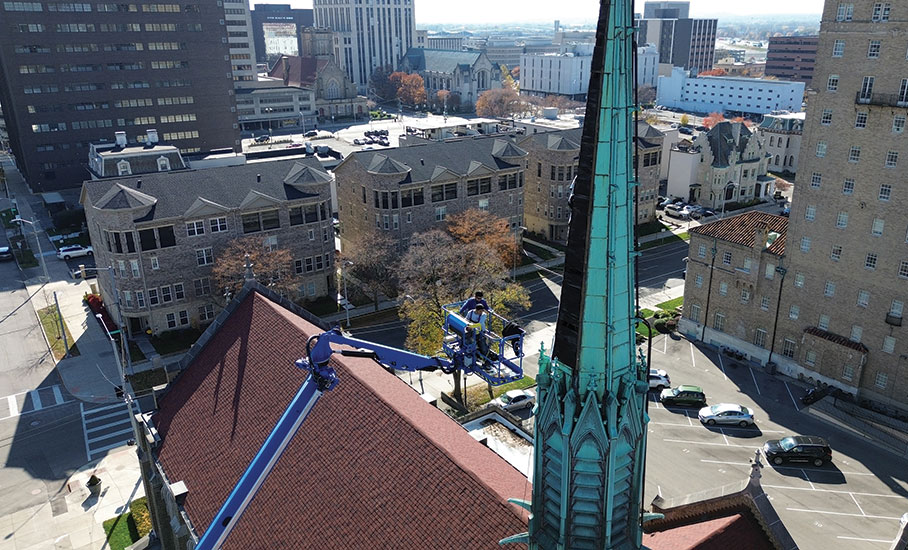
Falls remain the defining hazard of residential roofing, and the industry continues to grapple with the same fundamental exposures. Residential environments introduce steep slopes, limited anchor points, fragile surfaces and unpredictable roof geometries, making fall protection sometimes more complex than on commercial structures. Perhaps the most overlooked contributor to fall-related injuries is ladders. For many contractors, ladders are the first and last point of exposure on every job, and improper setup, unstable ground and rushed transitions from a ladder to a roof can cause serious incidents.
The connection between ladder safety and fall protection is inseparable. A well-designed fall-protection plan is undermined if workers cannot safely access a roof. Likewise, even the best ladder setup becomes irrelevant if workers transition onto a roof without secure anchorage or a clear plan for moving across steep-slope surfaces. Residential crews often face additional challenges, such as landscaping obstacles, uneven ground, homeowner-installed structures and limited space for proper ladder placement. These conditions often demand a higher level of planning, supervision and worker competency.
Insurance providers can limit or deny a contractor’s claims when safety noncompliance is an issue, such as when improper ladder use or inadequate fall protection is documented. Many insurance brokers and law firms note insurance carriers frequently request training plans, ladder inspection records or logs, and site-specific fall-protection plans during underwriting or post-incident claim review.
Contractors who invest in training and competency development can differentiate themselves in a competitive market
In addition, residential roofing presents a unique structural risk profile because crews work on buildings that vary widely in age, construction methods and maintenance histories. Many homes currently being reroofed were built decades earlier, and the underlying conditions often are unknown until a crew begins removing materials. Rotten decks, water-damaged sheathing, deteriorated trusses and improperly spaced rafters can create unstable walking surfaces that may fail under load. These hazards are especially dangerous on steep-slope roofs where workers rely heavily on substrate integrity for footing and anchorage.
Without proper load calculations and pre-job structural assessments, crews may inadvertently overload weakened framing or decks. In some regions, climate-driven moisture intrusion may accelerate structural deterioration, making substrate failures more common.
Weather
Heat illness and weather-related hazards, driven by climate volatility and regulatory momentum, have become common topics among residential roofing contractors. Roofing crews work outdoors in a heat-intensive environment during summer, surrounded by radiant heat from shingles, underlayment and reflective surfaces.
In addition, extreme heat events are more frequent, intense and longer-lasting globally than in the past; the average annual number of extreme heat events has risen from two per year in the 1960s to 10 per year as of 2020, according to the Center for Climate and Energy Solutions. Adding to this, the U.S. heat wave season is now, on average, 46 days longer than it was in the 1960s.
OSHA’s national emphasis program on heat and a growing number of state-level rules place greater expectations on contractors to provide shade, hydration, rest and training.
But heat is only one part of the environmental equation. Severe storms, high winds and rapid weather shifts are increasingly common across the U.S. Residential crews often work on small, exposed surfaces with limited escape routes, making sudden weather changes especially dangerous. Wind-blown materials, slippery surfaces, exposure to lightning and challenges of emergency evacuation all contribute to a heightened risk profile.
Other hazards
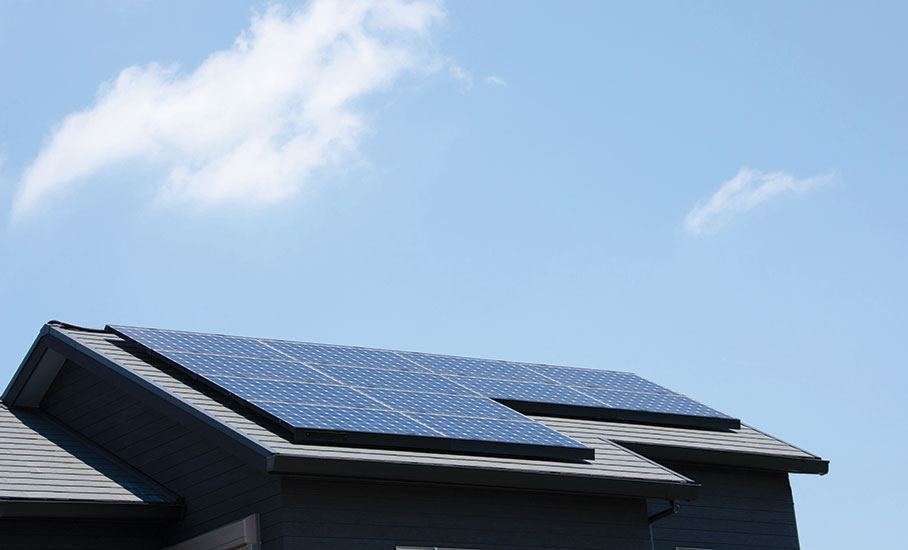
Residential rooftop solar installations and integrated roofing technologies is a category of hazards many contractors are still learning to navigate. Modern homes increasingly feature photovoltaic systems (for more information about PV systems, see, The sun’s advantages”.), battery storage units and hybrid roofing-solar products. These systems pose electrical, fire and structural hazards that differ significantly from roofing work.
Live circuits hidden beneath shingles, improperly de-energized systems, damaged wiring and incompatible components can expose workers to the risks of electric shock, arc flash or fire. Integrated solar shingles and advanced underlayment systems often require specialized training, manufacturer-specific installation methods, and coordination with electricians or solar installers. Without proper knowledge, crews may inadvertently damage equipment, void warranties or create unsafe conditions.
Insurers have taken notice. Claims involving solar systems are complex, costly and often involve multiple parties. As a result, carriers may ask for proof of specialized training, manufacturer certifications or documented coordination with licensed electrical professionals before underwriting roofing contractors who work on or around rooftop solar installations.
Emerging technology hazards represent a challenge and an opportunity. Contractors who invest in training and competency development can differentiate themselves in a competitive market.
Insurance
As residential roofing contractors navigate daily hazards, another obstacle needs to be addressed: insurance. In 2026, the insurance landscape for roofing contractors is defined by rising claim severity; heightened underwriting scrutiny; and a market that increasingly rewards contractors who can demonstrate disciplined, well-documented safety practices. Although the broader workers’ compensation insurance line remains one of the healthiest in the property and casualty sector, according to the Insurance Journal, roofing contractors continue to be treated as a high-hazard class.
Workers’ compensation trends illustrate this shift. Across the construction industry, lost-time claim frequency continues to fall, but the severity of each claim is rising, according to the National Council on Compensation Insurance.
For residential roofing contractors, this means even a small number of falls, strains or ladder incidents can materially affect experience modification rates and premium costs. Meanwhile, general liability insurance carriers are contending with increasing claims resulting from water-intrusion disputes and rising jury awards exceeding actual economic damages, which contribute to persistent upward pressure on general liability rates for contractors.
Insurance advisory and brokerage company WTW, London, notes buyers should expect ongoing volatility and a continued focus on risk management, transparency and program structure review. Carriers are expected to remain highly selective about the types of programs and contractors they write, emphasizing clean loss histories, strong safety cultures and detailed risk controls.
Residential roofing firms, especially those with inconsistent documentation, should work with their safety teams and insurance brokers to put together the best risk management and safety narratives and constantly seek ways to improve their practices.
Property-related claims add another layer of complexity. Roof-related residential claims reached an estimated $31 billion in 2024, driven largely by wind and hail losses, according to Verisk, a data analytics and risk assessment company based in Jersey City, N.J.
Homeowner claims shape the underwriting environment contractors operate in. Insurers are increasingly wary of roof age, installation quality and workmanship disputes, and they expect contractors to demonstrate strong quality assurance and quality control processes, photo documentation and clear communication with homeowners. In short, the insurance market is signaling risk management maturity is a competitive advantage.
Additional resources
- NRCA’s free safety resources can be found at nrca.net/safety.
- On shop.nrca.net, you can find the NRCA Deck Integrity Assessment Tool (available for free). It is one of the most valuable planning tools for residential contractors and offers a structured way to evaluate a roof deck’s condition before starting work. This assessment helps crews identify soft spots, rot, delamination, structural sagging and other issues that could affect footing or anchorage. Because substrate failures can lead to falls on steep-slope roofs, including a formal deck integrity check in pre-job planning provides significant safety and risk management benefits.
- NRCA also offers a Job Hazard Analysis template at shop.nrca.net that guides contractors through identifying and controlling specific hazards. The template breaks down roofing tasks into steps, highlights potential risks and suggests proper controls. For residential crews working on small, varied and unpredictable job sites, the template can help standardize planning across projects and ensure hazards such as ladder placement and electrical exposures are consistently evaluated.
- CPWR—The Center for Construction Research and Training’s Stop Construction Falls campaign, of which NRCA is a premier partner, offers practical tools, including a collection of short, scenario-based planning aids that help supervisors discuss fall-risk decisions with their crews. These materials, available at stopconstructionfalls.com, are designed for toolbox talks and pre-task planning, making them ideal for residential job sites where conditions vary from house to house.
- The Occupational Safety and Health Administration’s Safe + Sound resources also support planning by helping contractors create simple, repeatable processes for identifying hazards, communicating expectations and verifying controls. For small-sized roofing companies, these templates provide a manageable way to formalize planning without adding unnecessary administrative burden. Together, these tools provide residential roofing contractors with a quick-access safety kit that enhances planning, improves communication and reinforces hazard awareness without slowing work. You can learn more at osha.gov/safeandsound.
Renewed focus
For residential roofing contractors, the path forward begins with reframing risk management as a continuous, structured process rather than a collection of compliance tasks. Effective risk management starts before a crew ever steps onto a roof. Pre-job hazard assessments, substrate evaluations, ladder inspections and weather monitoring establish the baseline for safe operations.
Once work begins, the focus shifts to consistent execution: anchorage selection, fall-protection setup, materials staging and heat-illness prevention. These practices not only reduce incidents but also generate the documentation insurers increasingly expect to see. Time-stamped photos can be one of the easiest ways to document safe actions on job sites from fall-protection setups to daily safety huddles and corrective actions.
Documentation is the connective tissue between safety and insurability. Underwriters are more frequently requesting evidence of training, fall-protection plans, subcontractor vetting and incident investigations before offering or renewing coverage. Contractors who maintain organized records are better positioned to negotiate favorable terms.
Finally, proactive engagement with insurance partners is becoming a hallmark of resilient roofing businesses. Contractors who schedule annual risk-review meetings, invite loss-control consultants to job sites and analyze claims trends with their agents often gain insights that directly reduce losses. This collaborative approach not only improves safety outcomes but also positions contractors more favorably in the insurance market.
Taken together, these factors make one thing clear: Safety is an integral part of business strategy. Viewing safety as a competitive advantage rather than merely a compliance checklist enables better navigation of the tightening insurance market, retention of skilled workers and development of resilient operations capable of adapting to industry changes.

ADRIANNE D. ANGLIN, CSP
Director of safety and risk management
NRCA