Articles
-
-
Tech Today
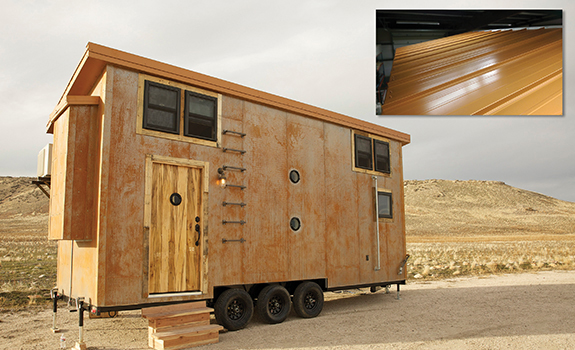
Implementing proper design considerations can limit the effects of oil canning.
-
Capitol Hill
The Department of Labor is aggressively pursuing businesses that misclassify workers as independent contractors.
-
Flashings
-
Details
-

Not your father's roofing industry
The baby boomer generation is retiring, and a generation of millennials has entered the roofing industry workforce. As this new generation of roofing contractors steps into the shoes of previous leaders, they have needed to make changes and, at times, offer different views than their predecessors.
-

Keeping current
As the popularity of rooftops being used as platforms for photovoltaic systems began to grow, NRCA developed a set of guidelines to assist the construction industry. These best-practice guidelines have been revised based on information collected by NRCA from knowledgeable, practicing roofing contractors and are contained in the recently published NRCA Guidelines for Rooftop-mounted Photovoltaic Systems.
-

Preserving a historical sanctuary
History experts and novices have the opportunity to engage with original sources of history while visiting the American Heritage Center at the University of Wyoming, Laramie. In 2013, leaks in the roof system threatened the irreplaceable documents and artifacts contained within the building. D&D Monarch Sheet Metal Inc., Denver, was selected to perform the tear-off and new roof system installation on the unique cone-shape building.
-

Overhauling overtime
The Department of Labor (DOL) has proposed regulations that dramatically could increase the number of employees entitled to overtime compensation. The proposed regulations would adjust the salary level test used to determine employee exemption from overtime compensation to equal the 40th percentile of earnings for full-time salaried workers. DOL estimates the proposed new regulation will affect nearly 4.7 million employees working in an estimated 290,800 establishments, including the roofing industry.