#Hashtag

#SAFETY

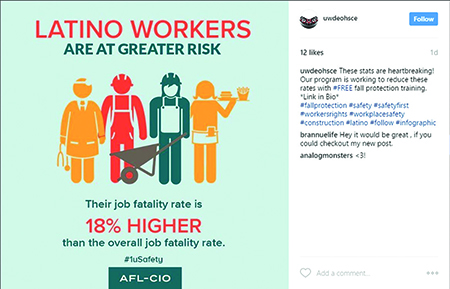
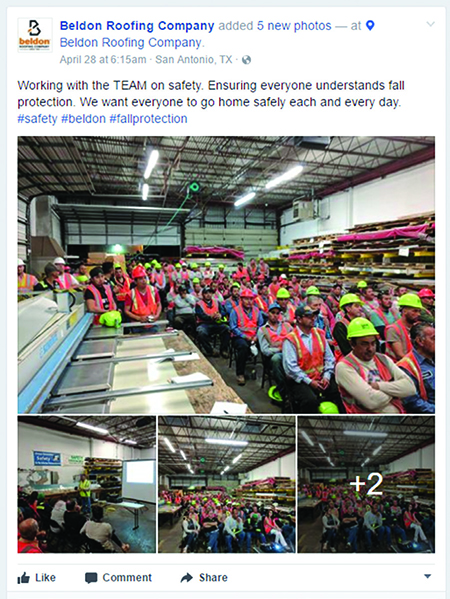
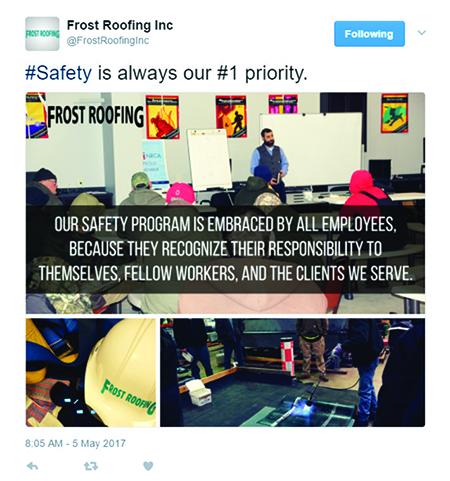
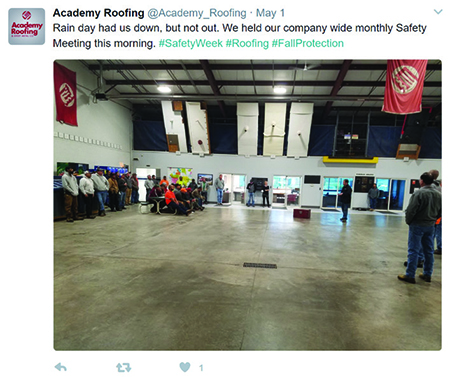
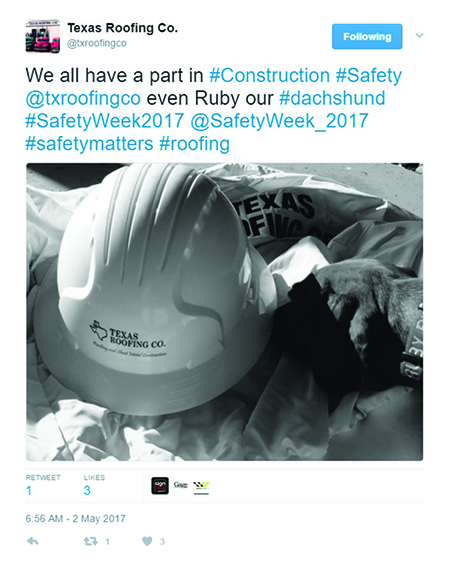
June is National Safety Month, which focuses on reducing leading causes of injury and death at work, on the road, and in our homes and communities. Additionally, the Occupational Safety and Health Administration held its National Safety Stand-Down May 8-12 to raise fall-hazard awareness throughout the U.S. The roofing industry has been busy sharing what it does to promote safety. Here are some of our favorite recent posts.


        @tilconny: A #safety reminder for #distracteddriving awareness month—do not text when operating a motor vehicle!

@BldrsAssoc: And we're off! @BerglundCo is one of our member companies taking time out from their workday to talk #safety. #SafetyStandDown #construction


More From This Issue

  • The quest for dryness

    As the roofing industry adopted new roofing insulation, adhesives and membranes during recent decades, moisture in concrete roof decks has emerged as a growing problem that needs to be addressed. Many existing test methods do not accurately measure moisture levels. Consequently, several industry associations and companies currently are conducting research and gathering data to determine effective solutions.

  • Fit like a glove

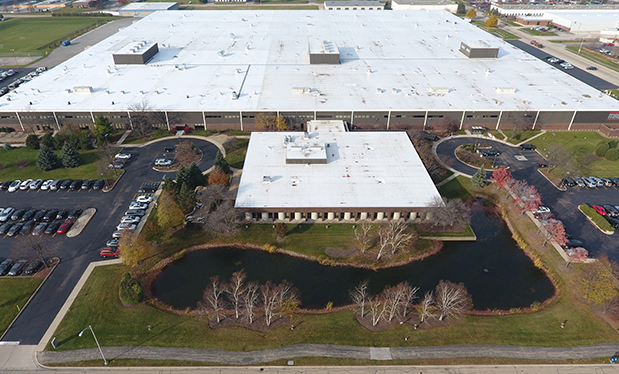
    When the 620,000-square-foot EPDM membrane roof system on Romeoville, Ill.-based Magid® Glove and Safety Manufacturing Co. LLC’s facility was failing, Ridgeworth Roofing Co. Inc., Frankfort, Ill., was selected to replace it. During 2016, Ridgeworth Roofing overcame safety and logistical challenges to install a new TPO membrane roof system on the facility, successfully completing Rideworth Roofing’s largest project to date.

  • Not as cool as advertised

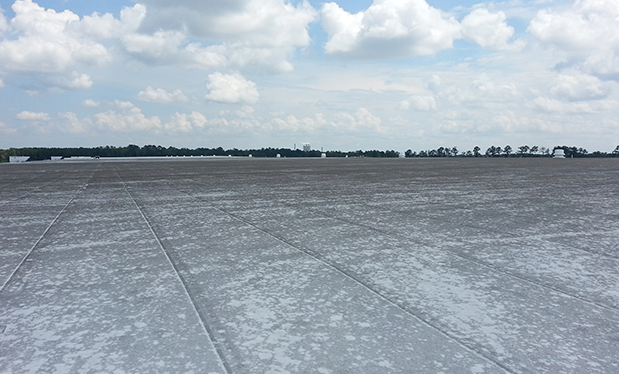
    During the past two decades, the list of codes and certification programs requiring highly reflective roof coverings has grown; many provide reflectivity requirements based on three-year-aged reflectance ratings. Results from three recent research projects conducted by the Midwest Roofing Contractors Association and NRCA reveal reflectance values for in-service roofs typically were lower than the products’ three-year-aged reflectance ratings.

;